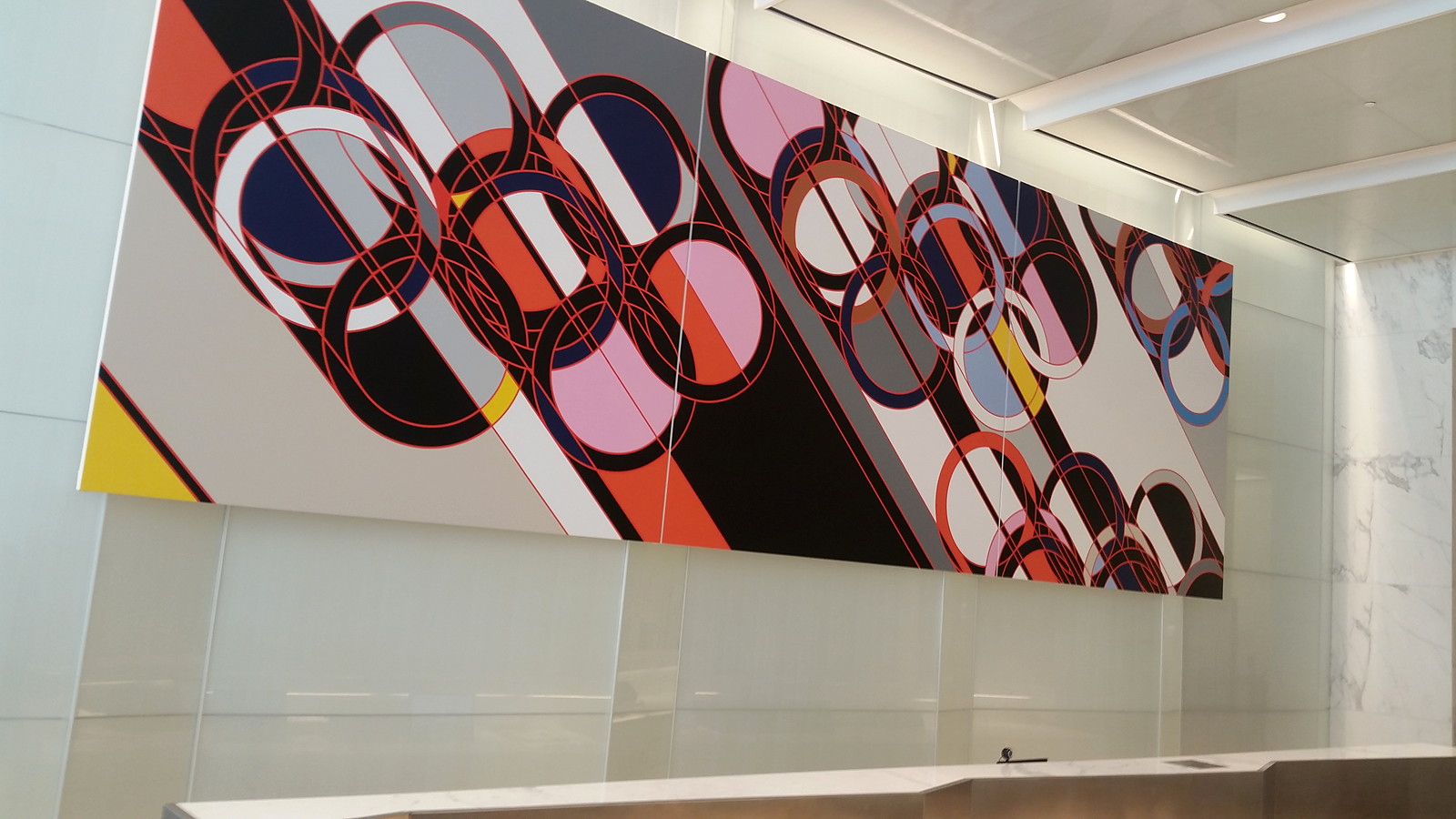
A building’s identity is decided long before the first tenant walks through the door. Lobby finishes, amenity spaces, signage, the general feel of a space. It’s all planned months, sometimes years, ahead of opening.
Art is part of that same identity, but is often put off until the very end. After the budget is set and the walls are already painted.
This is a missed opportunity. In a competitive leasing market, the buildings that stand out are the ones that feel perfectly planned from the moment someone steps into the lobby.
Commercial real estate art, done well, is one of the fastest ways to make a new development feel finished, distinct, and worth the asking price.
Where Art Actually Moves the Needle
For developers, artwork is not decoration for decoration’s sake. It shows up in essential places:
- Lobbies and entry sequences: First impressions set expectations for everything else in the building
- Amenity spaces: Lounges, co-working areas, and rooftops feel premium when the art matches the level of finish around it
- Leasing experience: Prospective tenants and brokers are touring a story, not just square footage. A building with real artwork in place photographs better and tours better
- Take a look at our Hotel & Hospitality Guide
- Tenant retention: Common areas that feel considered, rather than generic, are part of why tenants renew
None of this requires a museum-scale collection. Just artwork chosen and installed with the same care as the rest of the building.
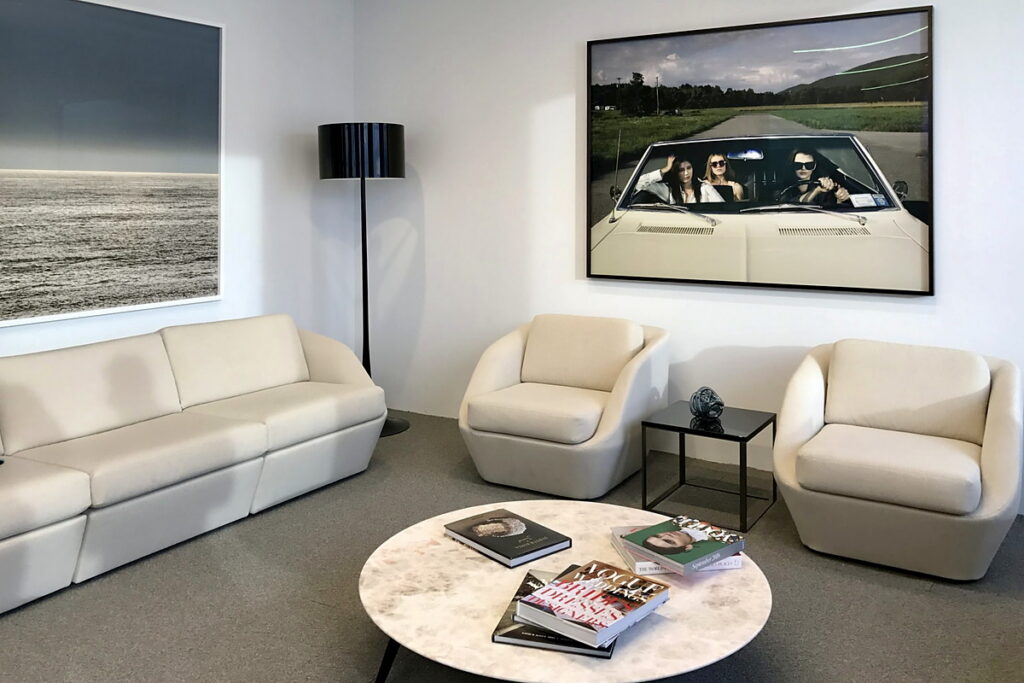
Beautiful amenities require carefully considered art, decor & furnishings
Why Timing Matters More Than the Art
Here’s the part developers might miss. Artwork installation is usually the last call made on a project, when it should be one of the earlier ones.
When an installer is brought in during design or construction, the artwork can actually work with the space instead of around it, and it becomes far easier to budget for accurately instead of guessing at the end.
This is also the point where a developer has the most leverage. Once a lease is signed and a tenant has their own art plans, that opportunity is gone. Getting artwork planning on the table during design is what turns a building’s public spaces into part of the pitch, not an afterthought added before the ribbon cutting.
Designers or art advisors can help with this process. Follow here to learn how ILevel works alongside architects, designers, and other trades. How ILevel Works with Interior Designers: Behind the Scenes of an Architectural Digest Feature
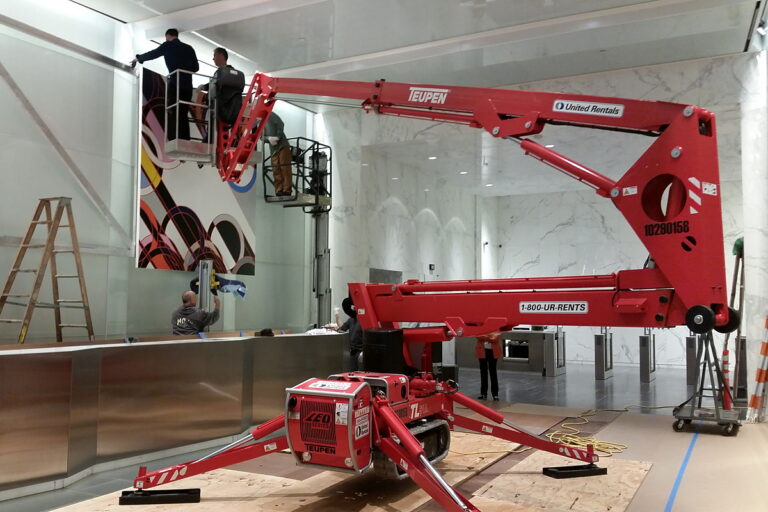
ILevel works with you to install art that will amaze everyone that visits your building
Ready to Install Your Collection?
ILevel has been installing art in commercial spaces for over 30 years.
Get in touch for a customized price estimate.
What to Look for in an Installation Partner
If you’re planning artwork for a new development, a few things matter more than they might seem to at first:
- Insurance and COI handling
- ILevel is insured, as we frequently work in active construction or leasing environments, and can produce on request the certificates your team requires
- Scheduling flexibility
- We’re a partner who can work around a construction schedule, not just a finished site
- Experience with scale
- Multi-floor, multi-piece installations are a different job than a few pieces in a single office. We’ve got experience with buildings, not just rooms
- A process, not just a service
- The best partners can walk you through how cost, systems, and timeline decisions get made, before you have committed to anything
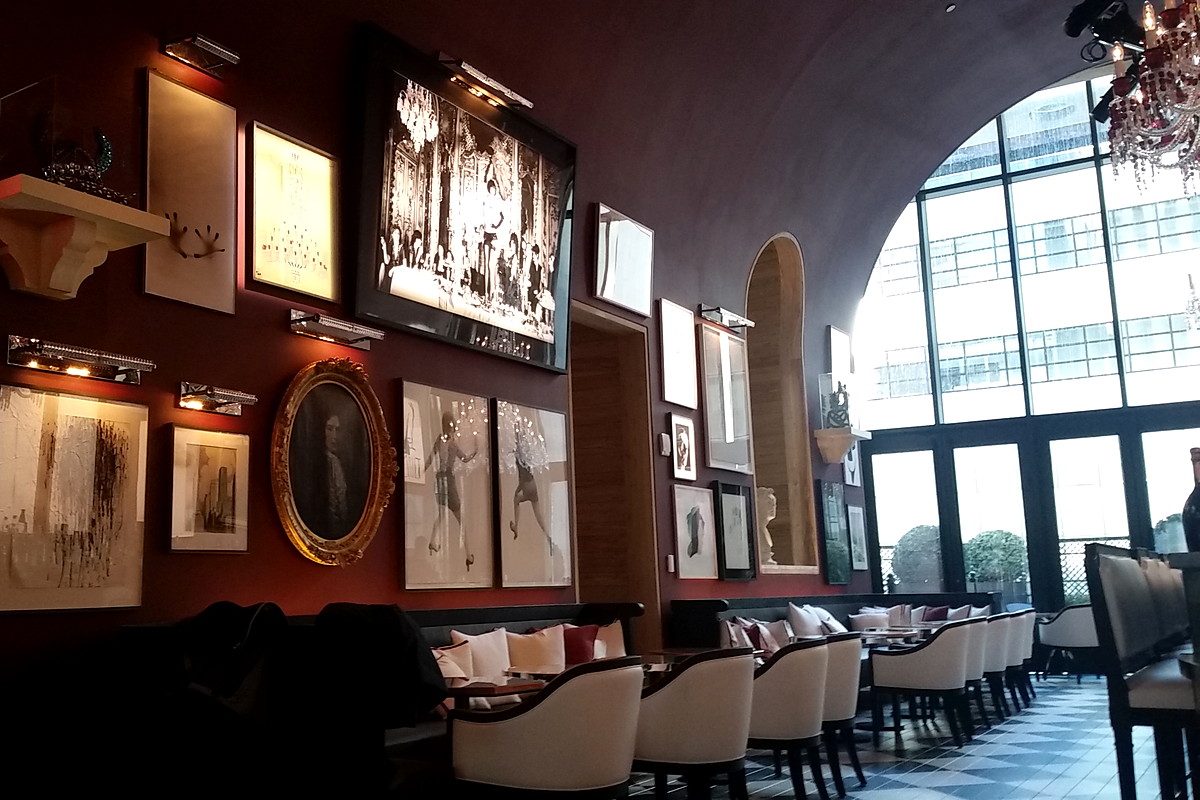
Installation for all amenity spaces, tenants, and businesses
Bringing Artwork in Early
The developments that get remembered are the ones that feel deliberate down to the last detail. Artwork is one of the easiest ways to deliver that feeling, but only if it is planned early enough to matter.
If you are in the early stages of a development and want to talk through what artwork planning could look like for your project, request an estimate and we will walk you through it.
Frequently Asked Questions
How can artwork enhance a commercial real estate development?
Artwork gives a building an identity that finishes and furniture alone cannot. In lobbies and entryways, it sets the expectation for everything a visitor sees next. In amenity spaces, lounges, and coworking areas, it signals a level of finish that matches the asking rent. During leasing, a building with real artwork already in place tours better and photographs better, which matters when a broker is showing several properties in the same week. Over a longer horizon, common areas that feel considered rather than generic are part of why tenants renew. The effect does not require a large collection, only artwork chosen and installed with the same care as the rest of the build.
When should artwork installation be planned in a new development?
Ideally during the design or construction phase, before the walls are even painted. Wall types, lighting, and sightlines all affect what can be installed and how it will look, and once those are finalized the options narrow considerably. Bringing an installer in early also makes the budget far more accurate, since scale, mounting complexity, and site access can be assessed on site.
How much does art installation cost for a commercial building?
The main factors are the number of pieces, their size and weight, the mounting systems required, wall and ceiling conditions, how much of the work has to happen around other trades or outside business hours, and the level of coordination needed with building management. A lobby with six large framed works is a very different job than four floors of corridors. The most accurate way to plan a budget is to request an estimate early.
Can artwork be installed while a building is still under construction or partially occupied?
Yes, and on most commercial projects that is the norm rather than the exception. Installation frequently happens in phases as floors come online, around other trades still working on site, or outside business hours in a building that already has tenants. What it requires is a partner who can plan around a live schedule instead of waiting for a finished one. Practically, that means confirming site access and freight elevator windows in advance, protecting finished surfaces, coordinating with the general contractor and building management, and having certificates of insurance on file before the crew arrives. None of this is unusual, but it does need to be arranged rather than assumed.